
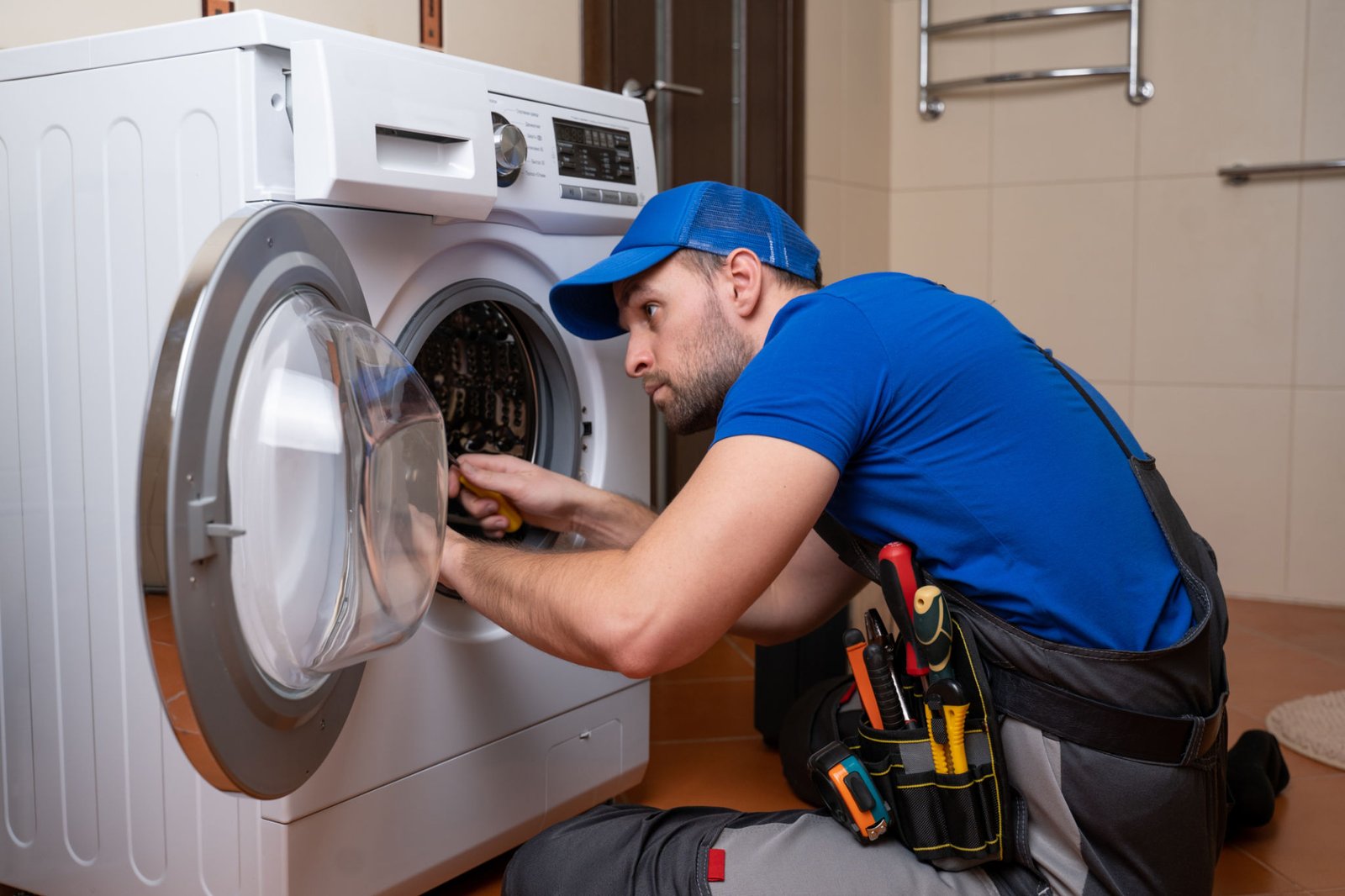
A washing machine is a crucial part of daily life in any household. From work clothes to bedding and towels, it handles large loads week after week. When a washer starts to malfunction, it can disrupt routines and create inconvenience. Recognizing early warning signs and understanding when to seek professional repair can prevent small issues from turning into major breakdowns.
One of the most obvious signs of washer trouble is failure to start. If your washing machine does not respond when you press the power button, the issue could be related to the power supply, door latch, or control board. Sometimes the solution is as simple as checking the outlet or resetting the breaker. However, if the door lock mechanism or electronic control board is faulty, professional repair is necessary.
Another common issue is the washer not draining properly. If you open the machine after a cycle and find standing water, there may be a clogged drain pump filter, blocked hose, or malfunctioning pump. Leaving water inside the drum can cause unpleasant odors and mold growth. While cleaning the filter is often a simple maintenance task, replacing a damaged pump requires technical skill.
Excessive vibration and shaking during the spin cycle is another warning sign. Washing machines are designed to operate smoothly, even at high speeds. If your washer moves excessively or makes loud banging noises, it may be due to unbalanced loads, worn shock absorbers, or damaged suspension springs. Ignoring these signs can cause structural damage to the machine and surrounding flooring.
Water leaks are a serious issue that should never be ignored. Leaks can occur due to damaged door seals, cracked hoses, or loose connections. Over time, small drips can lead to significant water damage in your laundry area. Professional technicians can quickly identify the source of the leak and replace faulty components.
If your washer is not spinning or agitating properly, the problem could be with the drive belt, motor coupling, or motor itself. A worn drive belt may slip or break, preventing the drum from turning. In some cases, a faulty lid switch can stop the spin cycle from operating. Accurate diagnosis ensures the right part is replaced without unnecessary expense.
Unusual noises during operation are another indicator of potential trouble. Grinding, squealing, or knocking sounds may signal worn bearings, foreign objects in the drum, or motor problems. Bearings in particular can be costly to replace and require professional expertise. Addressing unusual sounds early can prevent more severe damage.
Foul odors coming from the washing machine are often caused by mold and detergent buildup. Front load washers are especially prone to this issue if the door is kept closed after use. Regular cleaning with appropriate washing machine cleaners and leaving the door slightly open can help prevent odor buildup.
Preventative maintenance plays a key role in extending the lifespan of your washer. Avoid overloading the drum, as this puts excessive strain on internal components. Use the correct amount of detergent to prevent residue buildup. Periodically inspect hoses for cracks or bulges and replace them every few years as a precaution.
Professional washer repair services in Kitchener provide expert diagnostics and safe repairs for all major brands. Attempting complex repairs without proper training can lead to further damage or safety hazards. Technicians have the tools and experience to handle electrical and mechanical components safely.
Deciding whether to repair or replace a washer depends on factors such as age, repair cost, and overall condition. Most washing machines last around ten to twelve years with proper maintenance. If the repair cost is reasonable and the machine is relatively new, repair is often the best choice.
In summary, recognizing the early signs of washer problems can save you from costly repairs and inconvenience. From drainage issues and leaks to unusual noises and spin failures, timely professional repair ensures your washing machine continues to operate efficiently. Regular maintenance and prompt attention to warning signs are essential for keeping your laundry routine running smoothly.